
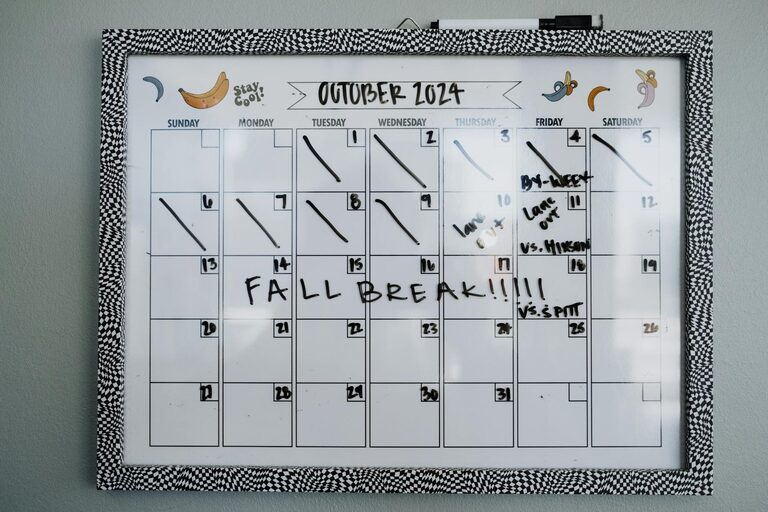
Creating a family command center is a wonderful way to keep your household organized and ensure that everyone stays on the same page. Whether you have young children, teenagers, or just a busy schedule, a command center can help you manage appointments, chores, meal plans, and important reminders all in one convenient location.
In this post, we’ll guide you through how to set up an effective family command center step by step.
What Is a Family Command Center?
A family command center is a designated area in your home where essential information is displayed and organized for quick access. It acts as a hub for calendars, to-do lists, mail, school papers, and anything else your family needs to keep track of daily activities.
Typically located in a high-traffic area like the kitchen, hallway, or entryway, a command center helps reduce clutter and makes communication easier.
Benefits of Setting Up a Command Center
– Centralizes Information: Each family member knows where to find schedules, menus, and reminders.
– Boosts Communication: Helps avoid missed appointments or forgotten tasks.
– Encourages Responsibility: Kids can see their chores and activities clearly.
– Reduces Paper Clutter: Organizes mail, coupons, and important documents neatly.
Step 1: Choose the Right Location
Pick a spot in your home that everyone passes by often. Common areas include:
– Kitchen wall near the fridge
– Entryway or mudroom
– Hallway space
– Near the family desk or workspace
Make sure there’s enough room for what you want to include and that it’s easy for all family members to reach.
Step 2: Select Your Command Center Components
The key to a functional command center is having the right tools. Here are some popular components:
Calendar
A family calendar is essential. You can choose:
– Dry erase board calendar
– Magnetic or cork board calendar
– Printable paper calendars pinned to a board
Opt for one with enough space to write down activities for each family member.
Message Station
Include a section for notes and reminders, such as:
– Whiteboard or chalkboard for messages
– Sticky notes pad
– Clipboards for quick notes
Mail Sorting Area
A place to sort incoming mail, school papers, and bills will keep clutter off counters.
– Wall-mounted file sorters or baskets
– Magazine holders or trays for paperwork
To-Do and Chore Lists
Display chore charts or to-do lists clearly.
– Printable lists with magnets or clips
– Checklist boards
Meal Planning
Add a space to plan weekly meals so everyone knows what to expect.
– Meal planner pad or whiteboard
– Recipe clip holder
Additional Supplies
Keep handy supplies nearby, such as pens, markers, scissors, and tape, using small containers or holders.
Step 3: Gather Supplies and Materials
Here’s a checklist of items you might need:
– Large board or backing (corkboard, magnetic board, or framed board)
– Calendars and planners
– File organizers and baskets
– Clips, push pins, or magnets
– Markers, pens, and erasers
– Labels and stickers for sections
– Hooks or small containers for keys and supplies
Step 4: Design and Arrange Your Command Center
Arrange your components for easy use. A common layout is:
– Calendar at eye level
– Mail sorter and clipboards below or to one side
– Message board nearby
– Chore and meal plan sections accessible and visible
Use labels to clearly mark each area. You can also personalize the space with family photos or motivational quotes to make it welcoming.
Step 5: Encourage Family Participation
Involve everyone in creating and maintaining the command center. Assign responsibilities such as:
– Updating the calendar
– Sorting mail
– Checking off chores
– Writing messages
This helps build a routine and keeps the command center functional.
Tips to Keep Your Family Command Center Effective
– Keep it simple to avoid overwhelming the space
– Use color coding for family members or different types of activities
– Regularly clear outdated papers and messages
– Make it adaptable as your family’s needs change
Final Thoughts
Setting up a family command center is a fantastic way to improve household organization and communication. With a little planning and creativity, you can create a space that works well for everyone and helps your family stay on track.
Give it a try, and enjoy the benefits of a more organized and peaceful home life!